These are abnormal growths in or near the nasal passages. DNA changes in nasal cavity or sinus cells can disrupt their normal function, causing rapid cell multiplication and resistance to cell death. This can lead to cancerous cells that invade nearby tissues and potentially metastasize.
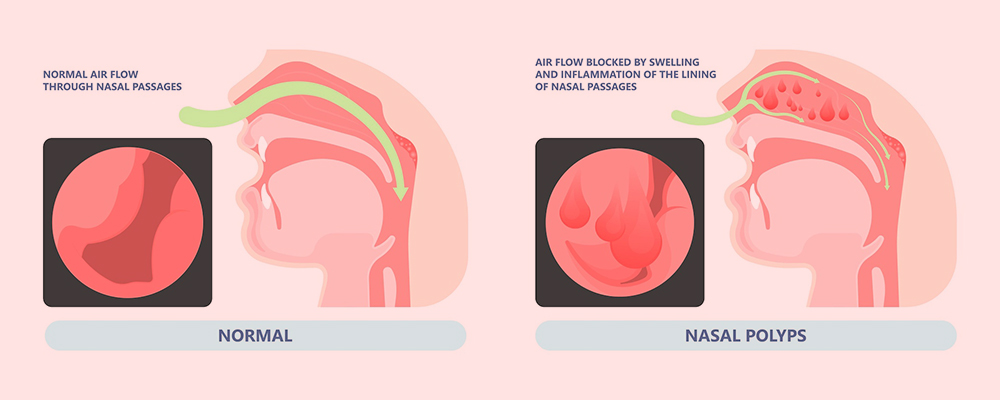
Symptoms may include:
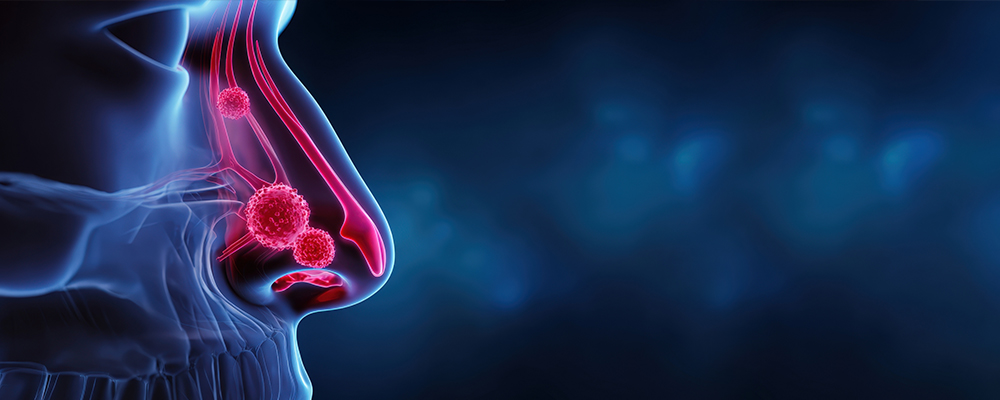
More advanced cases may involve:
Tumours of the nasal cavity and paranasal sinuses are among the more challenging presentations in head and neck oncology, and often require intricate surgery in anatomically complex regions adjacent to the orbit, skull base, and brain. At Zydus Hospitals, our surgical team has accumulated significant expertise and high case volumes in this domain, performing advanced endoscopic and open procedures with robotic assistance where indicated. Our exceptionally trained surgeons are adept at achieving stellar results while minimising disruption to critical surrounding structures.
Advanced imaging, including high-resolution MRI and CT navigation, guides every sinonasal procedure, and our multidisciplinary tumour board ensures that surgical, medical, and radiation oncology strategies are seamlessly coordinated. Post-operative rehabilitation, including physiotherapy and supportive care, is integral to our programme, helping patients regain confidence and function following treatment for these complex cancers.