-&-Thoracic-Cancers.svg)

The gastrointestinal (GI) tract is a 25-foot-long system that extends from the mouth to the anus. Changes or mutations in the DNA of these gastric cells can sometimes trigger tumor growth, and these cancerous cells may become metastatic, spreading to other parts of the body. Commonly affected GI cancers include those affecting the esophagus, gallbladder, liver, pancreas, stomach, small intestine, large intestine (colon), and the rectum.
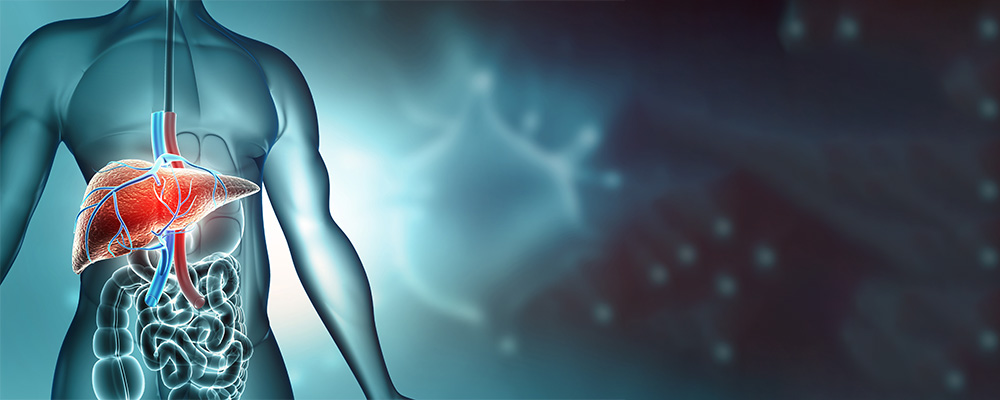
While GI cancers cannot be entirely prevented, research indicates that adopting a healthy lifestyle can significantly reduce the risk. Regular exercise, a diet rich in plant-based foods, limited red meat consumption, and moderating alcohol intake are key factors in lowering the likelihood of developing GI cancers. These cancers are often influenced by health conditions, lifestyle choices, or genetics.
Common types of GI Cancers are:
Recognizing Early Symptoms
GI cancers are prevalent globally, and early detection improves treatment outcomes, though identifying them in the early stages can be challenging. Small tumors may cause difficulty swallowing solid foods. As tumors grow, they narrow the esophagus, leading to trouble swallowing liquids, frequent indigestion, heartburn, vomiting, choking, and, in rare cases, blood in sputum. If you experience any symptoms, consult a medical professional promptly.
Early Detection
Tests like endoscopy, biopsies, CT scans, and PET scans can detect tumors or their spread to other organs.
The stomach connects the esophagus to the small intestine.. Stomach cancer may develop with the growth of uncontrolled cells in any part of the stomach and may spread to organs like the small intestine, lymph nodes, liver, pancreas, or colon.
Some examples of stomach cancer include:
Stomach cancer often shows no symptoms in its early stages, making it difficult to detect until it has reached the later stages or has spread to other parts. Symptoms such as abdominal pain or discomfort, nausea, vomiting, fatigue, unintentional weight loss, early satiety (feeling full after small meals), and blood in vomit or stools are often mistaken for gastric issues or ulcers. If one notices any symptoms, it is advised to consult a physician and get a thorough check-up done.
Though the precise cause of stomach cancer is unknown, but risk factors include having a family history, certain dietary habits, infection with Helicobacter pylori, a bacterium linked to stomach inflammation and ulcers. Other factors include a history of stomach surgery, pernicious anemia, gastric atrophy, which impairs digestive juice production. Some habits like regularly consuming diets high in salt and smoky/burnt or par-burnt foods, low in fruits and leafy vegetables are extremely unhealthy. Long-standing problems with gastritis or recurrent episodes of acid reflux also disrupts the stomach lining. It is essential to not take seemingly unproblematic symptoms lightly. Seek expert advice if symptoms appear.
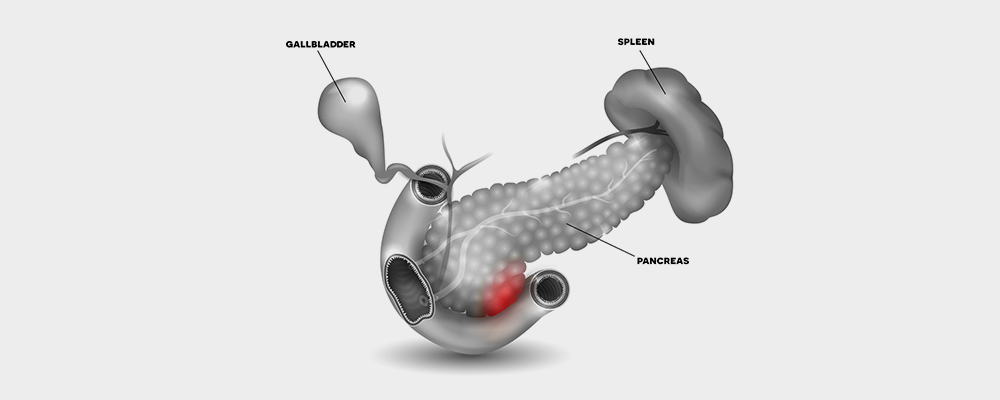
The pancreas, located behind the stomach, produces digestive juices that help break down food in the small intestine and produces digestive juices and hormones like insulin that helps manage blood sugar levels.
Pancreatic cancer is often asymptomatic in its early stages, earning it the nickname "silent disease." As the tumor grows, it may obstruct the bile ducts, causing jaundice. Some other symptoms include abdominal pain radiating to the back, nausea, reduced appetite, diabetes that is becoming difficult to control despite medication, and unexplained weight loss. If one observes such symptoms, it is thus advised to consult your physician at the earliest.
Though the exact cause of pancreatic cancer is unclear, the risk factors include smoking, excessive alcohol consumption, a high-fat diet, and chronic pancreatitis. A family history of pancreatic cancer, hereditary pancreatitis, or certain genetic conditions also increases the risk of predisposition towards genetic mutations.
Screening and Diagnosis
When cancer is suspected, the following diagnostic tests may be done:
Treatment depends on the cancer’s stage. Common approaches include chemotherapy, radiation, or targeted therapies. Targeted therapies attack specific cancer cell components, while immunotherapy enhances the body’s immune response. Surgery involves removing the tumor and surrounding tissue. For tumors in challenging locations or when removal impacts digestive function, alternative treatments are used. In late-stage, incurable GI cancers, treatment focuses on symptom relief and improving quality of life.
At Zydus Hospitals, our Gastrointestinal Surgery department is helmed by surgeons who have pioneered some of the most complex GI procedures performed for the first time in India. With over 40 years of combined surgical expertise, our team is equipped to handle the full spectrum of GI conditions. From early-stage tumours to advanced, multi-organ resections, they use the latest robotic and minimally invasive platforms to navigate even the rarest and most demanding presentations.
Every GI case at Zydus is reviewed by a dedicated Multidisciplinary Tumour Board comprising surgeons, medical oncologists, radiation oncologists, radiologists, and pathologists, ensuring each patient receives a fully personalised treatment plan. Our internationally trained surgeons ensure recovery and quality of life remain central to our patients’ journey.
We have compiled a Coffee Table Book with some of the most complex, First-in-India cases that have been performed by our team. To read the cases, click here