
The skull base, formed by multiple bones at the head’s base and behind the eyes and nose, can develop tumors. These tumors often go unnoticed until they grow large enough to exert pressure on the brain.
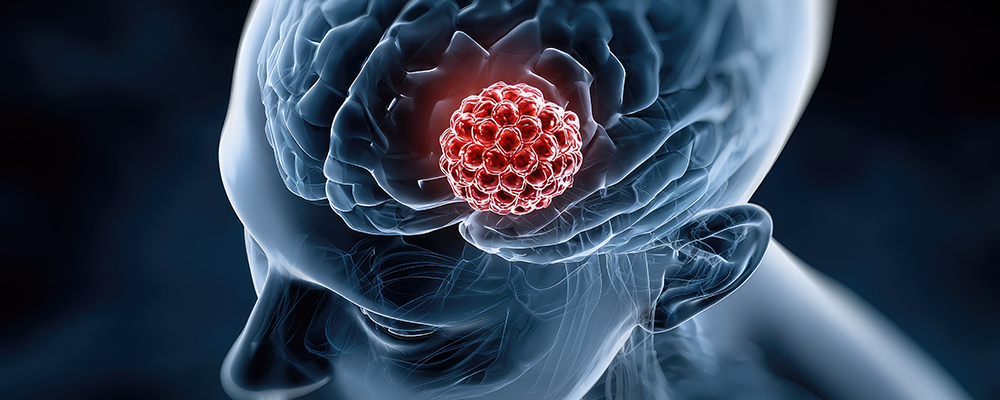
Treating tumors in this area is complex due to their deep location and closeness to critical nerves and blood vessels in the brain, head, neck, and spinal cord.
Skull base cancer is a rare, intricate condition occurring between the skull and the brain’s base. Lateral skull base tumors, found on the side of the skull, may impact the ear, temporal bone, and nearby nerves.
While no clear causes exist, certain factors may increase the risk of skull base cancer:
Skull base tumors are hard to diagnose because they often lack symptoms and can be missed. They are typically found incidentally during imaging for unrelated conditions.
Diagnosis begins with a physical exam, symptom review, and an assessment of personal and family medical history.
Once a tumor is identified, specialists recommend the most suitable treatment plan tailored to the patient’s needs.
Skull base surgery represents the frontier of surgical oncology, requiring exceptional technical skill, advanced neuronavigation technology, and a deeply collaborative team. At Zydus Hospitals, we focus on both anterior and lateral approaches, and it is built on more than 4 decades of accumulated expertise and the training of our surgeons at internationally renowned centres. Our team performs HIPAC and PIPEC surgeries as well as complex craniofacial resections and endoscopic skull base surgeries.
Our multidisciplinary tumour board brings together neurosurgeons, ENT and head and neck surgeons, neuroradiologists, and oncologists to determine the safest and most effective approach. Advanced imaging and intraoperative navigation ensure millimetre-level precision in these demanding procedures. Our rehabilitation, palliative care, and counselling services provides a comprehensive, continuous support from pre-operative planning through to long-term recovery.