
Reconstructive surgery is a vital component of plastic surgery. Contrary to popular belief, ‘Plastic’ is derived from an ancient Greek word, platikos that means molding or giving form and not artificial. The goal of plastic surgery is to restore function and improve someone’s appearance and reconstruct facial or tissue defects due to trauma or any other disorders. Though it shares core principles with cosmetic surgery, the aim of reconstructive surgery is to restore the function and ease patients to go back to their quality of life.
Reconstructive surgeons employ advanced microvascular techniques to reconnect tiny blood vessels and nerves under a microscope. These skills enable the reattachment of severed fingers or the reconstruction of limbs, such as arms, forearms, or legs, following amputations caused by accidents or machinery injuries. By restoring blood flow and nerve function, these techniques ensure the proper functionality of the affected body parts. Timely preservation and careful transportation of amputated parts are crucial for achieving optimal results.
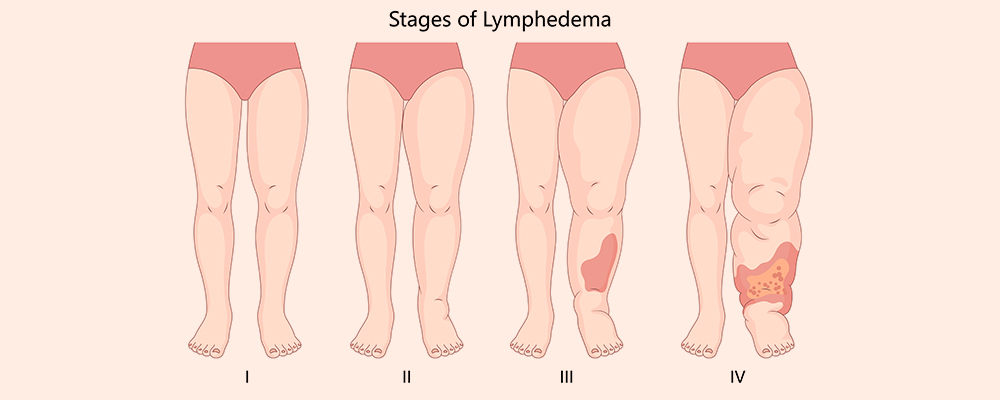
Lymphedema, marked by progressive limb swelling, has long been considered untreatable and socially isolating. However, super-micro reconstructive surgeries now offer a promising solution, effectively managing and potentially curing lymphedema in its early stages. This advancement provides hope, enabling patients to improve their quality of life and overcome social isolation.
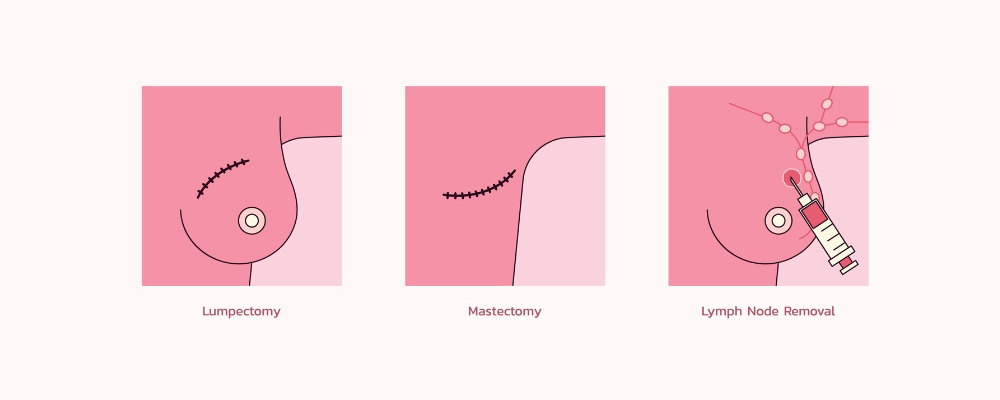
A cancer diagnosis often requires surgical interventions such as tumor removal, resection of the affected tissue, or even the removal of entire structures like the jaw, tongue, or breast. These drastic surgeries can significantly alter a patient's appearance, bodily function and confidence.
When critical structures are removed during cancer treatment, reconstruction becomes essential to preserving the patient's ability to perform basic functions like speaking, swallowing, chewing, or even breathing properly. Some very common types of reconstruction surgeries are:
Our reconstructive surgeons employ state-of-the-art microsurgical techniques to achieve precise, natural-looking outcomes. Procedures are performed with tremendous attention to both functional restoration and aesthetic results that ensure that patients thrive after their treatment. At Zydus, our team works in close collaboration with oncologists, specialists, speech therapists, and rehabilitation teams to ensure seamless integration of post-op recovery to provide comprehensive reconstructive solutions that restore both form and function following cancer-related surgeries.
We offer a comprehensive range of procedures, including free flap surgery (radial forearm, ALT, DIEP), tongue reconstruction, jaw reconstruction using autologous bone, and post-mastectomy breast reconstruction.
The physical and psychological effects of cancer surgery can be profound. Thus, these surgeries play a critical role in the rehabilitation of cancer patients by minimizing disfigurement, restoring lost function, and supporting the patient's return to daily life. Our surgeons focus on safety, faster recovery, better functional and cosmetic outcomes, and minimal donor site morbidities. These procedures have made a meaningful difference in the lives of countless patients. We are driven to do our best to offer hope to our patients and stand strong with them as they march onto better lives.